I recently read that the Women’s College Hospital in Toronto has banned magazines in patient waiting rooms in an effort to control the spread of germs (Article). Then over the weekend, it was announced that the Peterborough Regional Health Centre stopped admitting patients to one of its units because of an “uncommon” outbreak of C. diff., MRSA, and VRE (Article). Looks like our neighbor up north are having bad luck with infections.
Canada has ~200,000 HAIs per year, of which 8,000 result in death. An article published in April of this year found that the overall incidence of both MRSA colonization and MRSA infection increased 17-times in Canadian hospitals from 1995-2007 (Article).
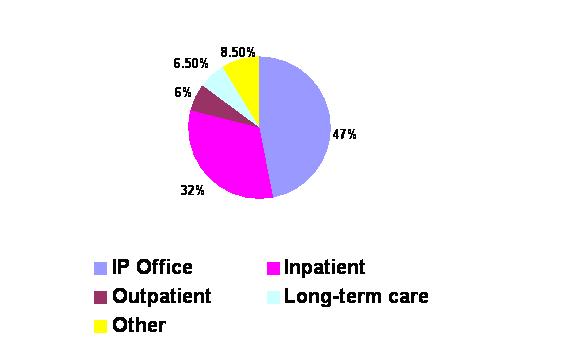
A study published in 2003 concluded that infection control departments in Canada are significantly under resourced. Of the 172 hospitals surveyed in the study, 42% of the hospitals had fewer than 1 infection preventionist (IP) per 250 beds (the average in the U.S. is ~ 1 IP per 150 beds). The chart below shows how Canadian IPs were spending their time during the survey period. You can compare these percentages to those of U.S. IPs in an earlier post.
| Activity | % of IP Time |
| Surveillance | 30% |
| Teaching infection control to others | 14% |
| Writing or reviewing policies | 12% |
| Attending meetings | 11% |
| Managing epidemics/outbreaks | 8% |
| Regional infection control activities | 6% |
| Evaluation of products | 5% |
| Other (Consultations, construction, clerical, research) | 14% |